How Often Should You Clean a Cat Litter Box? A Complete Guide
How Often Should You Clean a Cat Litter Box? A Complete Guide
Cat litter box cleaning is an important part of keeping your cat comfortable and your home fresh. Regular cleaning helps control odors, reduce mess, and create a more pleasant environment for both you and your cat.
Keeping your cat's litter box clean is one of the most important parts of everyday cat care. Cats are naturally clean animals, and many prefer a fresh, comfortable place to do their business. But how often should you actually clean a cat litter box?
The answer depends on several factors, including the number of cats in your home, the type of litter you use, the size of the litter box, and how frequently your cat uses it. Establishing a regular cleaning routine can help control odors, reduce mess, and create a more comfortable environment for your cat.
Why Regular Litter Box Cleaning Matters
A dirty litter box can quickly become unpleasant for both cats and their owners. As waste accumulates, odors can become stronger and the litter can become harder to maintain.
Regular cleaning helps keep the litter box fresh and can encourage your cat to continue using it. A clean litter box can also make your home more pleasant, especially when the box is located inside your living space.
For these reasons, litter box maintenance should be an important part of your regular pet care routine.
How Often Should You Scoop a Cat Litter Box?
For most cats, scooping the litter box once or twice a day is a good general routine. Removing urine clumps and solid waste regularly prevents them from accumulating in the box and gives your cat a cleaner surface to use throughout the day.
Consistent cat litter box cleaning can help reduce odors and keep your cat's daily environment more comfortable.
If you have multiple cats, you may need to scoop more frequently. A household with several cats can produce considerably more waste, meaning the litter box may become dirty much faster.
A simple rule is to remove waste whenever you notice it rather than allowing it to remain in the litter box for an extended period.
Homes With Multiple Cats
Multi-cat households generally require more frequent litter box maintenance. More cats mean more frequent use, which can lead to faster accumulation of waste and odors.
If you have multiple cats, monitor the condition of each litter box and adjust your cleaning routine according to how quickly it becomes soiled.
How Often Should You Completely Change Cat Litter?
The frequency of a complete litter change depends largely on the type of litter you use.
Clumping litter can often be maintained for longer because urine forms removable clumps. Instead of replacing all the litter every day, you can remove waste regularly and add fresh litter when necessary.
Non-clumping litter may require more frequent complete replacement because urine is absorbed throughout the litter rather than forming easily removable clumps.
Always follow the recommendations for your specific litter and pay attention to the condition of the litter box. If the litter remains damp, smells strongly, or looks excessively dirty even after scooping, it may be time for a complete change.
Cat Litter Box Cleaning: How Often Should You Clean It?
A complete litter box cleaning doesn't have to be complicated. Start by removing all the old litter and disposing of it appropriately.
Wash the empty litter box with warm water and a mild, pet-safe cleaning solution. Avoid strong chemicals or heavily scented products, as some cats can be sensitive to strong smells.
After washing, rinse the box thoroughly and allow it to dry completely before adding fresh litter. A completely dry litter box helps prevent moisture from affecting the new litter.
How to Keep the Litter Box Fresh
Regular scooping is the easiest way to keep a litter box fresh between deep cleanings. You should also keep the area surrounding the litter box clean and remove scattered litter regularly.
How Much Cat Litter Should You Use?
Adding too little litter can make it difficult for your cat to dig and cover waste. Adding too much can result in unnecessary waste and more litter being tracked around your home.
For many cats, a litter depth of around 2–3 inches is a useful starting point, although individual preferences can vary.
Some cats prefer deeper litter because they like digging, while others may prefer a shallower surface. Pay attention to your cat's behavior and adjust the amount if necessary.
Cat Litter Box Cleaning and Odor Control
Odor control starts with regular waste removal. Scooping frequently is one of the simplest ways to reduce unpleasant smells.
Good cat litter box cleaning habits can make a big difference in your cat's daily routine.
Scoop Regularly
Removing waste at least once a day can help prevent strong odors from developing. If you have multiple cats, more frequent scooping may be necessary.
Choose the Right Litter
Different types of cat litter offer different levels of odor control, absorption, and tracking. Experimenting with suitable options can help you find what works best for your cat and your home.
Keep the Area Clean and Ventilated
Keeping the area around the litter box clean can help prevent unpleasant smells and scattered litter from building up. Good ventilation can also help maintain a fresher environment.
Avoid simply covering litter box odors with strong air fresheners. Strong fragrances may be unpleasant for some cats and do not solve the underlying cause of the odor.
Good cat litter box cleaning habits can make a big difference in your cat's daily routine.
What Happens If You Don't Clean the Litter Box Often Enough?
When a litter box isn't cleaned regularly, waste may accumulate, odors can become stronger, and the litter can become less comfortable for your cat.
Some cats may become reluctant to use a litter box that they consider too dirty or uncomfortable. In some situations, this can contribute to accidents outside the litter box.
A dirty litter box can also make cleaning more difficult because waste may stick to the bottom or sides of the box.
Regular maintenance is therefore much easier than allowing the litter box to become heavily soiled and dealing with a major cleanup later.
Do You Need to Clean the Litter Box Every Day?
You don't necessarily need to completely wash the litter box every day. However, daily scooping is a good routine for many households because it removes waste before it has a chance to accumulate.
Consistent cat litter box cleaning can help reduce odors and keep your cat's daily environment more comfortable.
A full wash can usually be done less frequently depending on the type of litter, number of cats, and overall condition of the box.
The important thing is to distinguish between scooping and deep cleaning. Scooping is a frequent maintenance task, while deep cleaning is a periodic task.
How Many Litter Boxes Do You Need?
A commonly recommended guideline is one litter box per cat, plus one additional box. For example, if you have two cats, you may consider providing three litter boxes.
This isn't always practical for every home, but providing multiple options can help reduce competition between cats and give them more choices.
The location of the boxes also matters. Place them somewhere your cats can access easily and where they feel safe. Avoid placing a litter box directly next to loud appliances or in areas where your cat may feel trapped.
Good cat litter box cleaning habits can make a big difference in your cat's daily routine.
Can an Automatic Litter Box Reduce Cleaning?
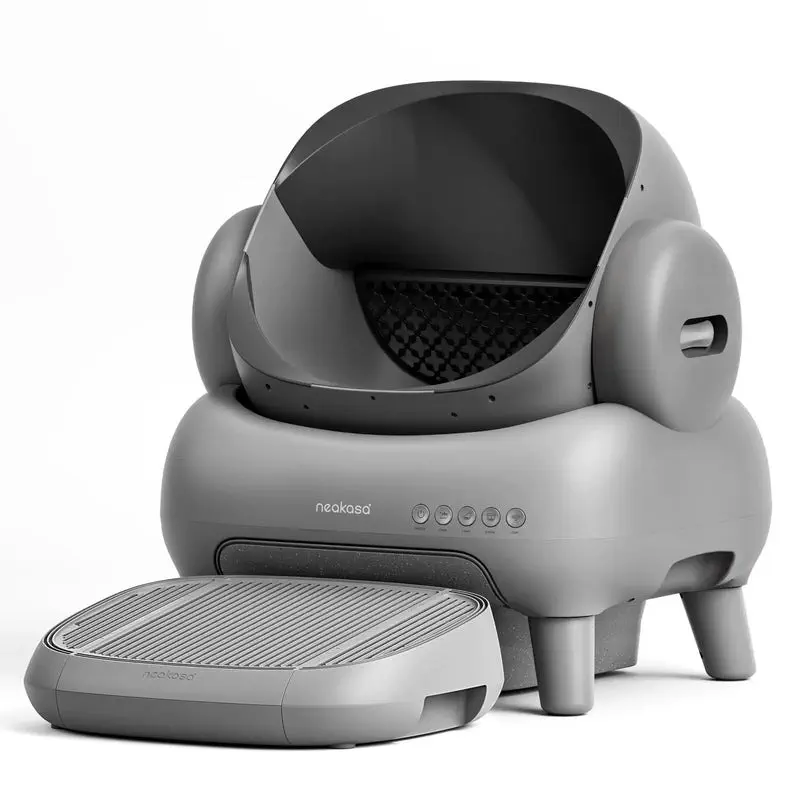
For busy cat owners, an automatic self-cleaning litter box can reduce the amount of daily scooping required.
Instead of manually removing waste after every use, an automatic system can detect when your cat has used the box and run a cleaning cycle according to its settings.
Regular cat litter box cleaning also helps prevent unpleasant odors from building up.
The collected waste is stored in a separate compartment, helping keep the main litter area cleaner between manual maintenance sessions.
However, an automatic litter box still requires regular attention. The waste compartment needs to be emptied, litter needs to be topped up or replaced, and the machine itself needs to be cleaned according to the manufacturer's instructions.
Consistent cat litter box cleaning can help reduce odors and keep your cat's daily environment more comfortable.
Think of an automatic litter box as a way to reduce routine work, not as a completely maintenance-free solution.
If you're interested in making daily litter box maintenance easier, you can also read our guide: Why Self-Cleaning Litter Boxes Matter .
When Should You Clean the Litter Box Immediately?
Sometimes you shouldn't wait until your normal cleaning schedule. Clean the litter box promptly if you notice any of the following:
- There is a large amount of waste.
- The litter has become noticeably wet or saturated.
- Strong odors are coming from the box.
- Waste is sticking to the sides or bottom.
- Your cat appears reluctant to use the box.
- The surrounding area has become dirty.
Regular cat litter box cleaning also helps prevent unpleasant odors from building up.
Keeping an eye on the litter box makes it easier to notice changes before they become bigger problems.
Frequently Asked Questions
How many times a day should I scoop my cat's litter box?
For most cats, once or twice a day is a good starting point. Homes with multiple cats may require more frequent scooping.
How often should I completely change cat litter?
It depends on the type of litter and how quickly it becomes soiled. Clumping litter can often be maintained by regularly removing waste and adding fresh litter, while other types may require more frequent replacement.
Can a dirty litter box make my cat stop using it?
Some cats may avoid a litter box that they consider too dirty or uncomfortable. Keeping the box clean can encourage consistent litter box habits.
Do automatic litter boxes need to be cleaned?
Yes. Automatic litter boxes reduce routine scooping but still require regular emptying, cleaning, and maintenance.
How can I keep my house from smelling like a litter box?
Regular scooping, proper litter maintenance, good ventilation, and keeping the area around the box clean can all help reduce odors.
Make Litter Box Maintenance Easier
Keeping a litter box clean doesn't have to be a difficult daily chore. A simple routine of regular scooping, periodic deep cleaning, fresh litter, and proper placement can make a significant difference.
For cat owners who want to reduce the amount of manual maintenance, an automatic self-cleaning litter box can provide an additional level of convenience.
At NetNook, we believe smart pet products should make everyday life easier while helping pets stay comfortable.
Whether you use a traditional litter box or an automatic system, the goal is the same: a cleaner litter box, a fresher home, and a happier cat.